
10 Essential School Registration Tips for Newcomer Families in Canada
School registration in Canada is not complicated but it comes with rules, requirements, and processes that catch most newcomer families completely off guard. Government websites explain what is required. They rarely explain how it actually works.
The registration is handled handled at the school board level, not by the federal or provincial government.
This means the exact process, required documents, and registration timelines vary depending on where you have settled whether that is the Toronto District School Board in Ontario, the Vancouver School District in British Columbia, the Calgary Board of Education in Alberta, or another board entirely.
The points below cover what is consistent across most Canadian school boards, with province-specific notes where the process differs. Always confirm the details directly with your own school board before your registration appointment.
Here is what you need to know before you walk through those school doors. If you have settled in Ontario, British Columbia, or Alberta, you will find named examples throughout but the principles apply wherever you have landed in Canada.
1. Grade Placement Is Based on Birth Year, Not Your Child’s Previous Report Cards
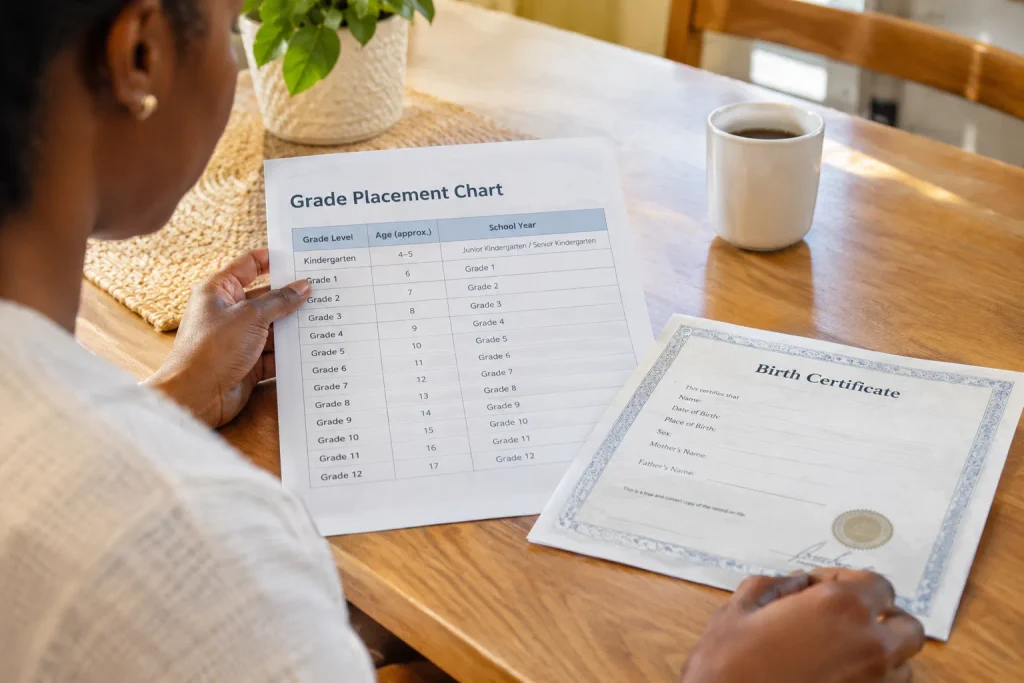
In Canada, your child’s grade is determined entirely by the year they were born, not the grade they completed back home and not their academic ability.
A child born in 2020 enters Grade 1 in September 2026, regardless of what they were studying in your home country. Bring your child’s birth certificate to registration, and check your province’s grade placement chart in advance.
Knowing this one detail before you arrive can prevent a stressful conversation at the registration desk.
2. Your Home Address, Not Your Preference Determines Your Child’s School
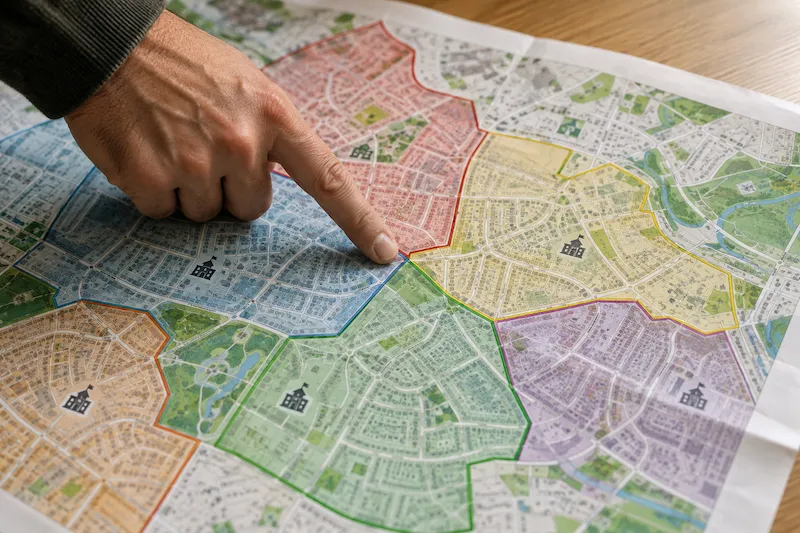
Every street address in Canada falls within a designated school “catchment area,” and your child must attend the school assigned to your address. You cannot register at a school in a different neighbourhood.
Before you finalize your rental or home purchase, use your school board’s online school locator to confirm which school covers your street; this is a decision worth making before you sign any lease.
3. If English Is Not Your Child’s First Language, the School May Not Be Your First Stop
Many of Canada’s largest school boards direct children whose first language is not English to a central assessment or intake centre before school registration including the Toronto District School Board and the Peel District School Board in Ontario, the Vancouver School District in British Columbia, and the Calgary Board of Education in Alberta.
The name of this centre varies by board: you may hear it called a welcome centre, an intake centre, or an English language learner assessment.
A friendly evaluation of your child’s English and mathematics skills helps determine the right classroom placement and language support program.
Call your school board’s main office first and ask whether an assessment centre appointment is required before visiting any school. That one call can save you weeks of back-and-forth.

4. Vaccine Records Do Not Go to the School, They Go Directly to Public Health
The process for submitting your child’s immunization records varies significantly by province and in every province, handing records to the school office alone is rarely sufficient.
In Ontario, parents are required to submit records directly to their local public health unit; children without records on file can be temporarily excluded from school.
In British Columbia and Alberta, records are typically submitted to the school, which then reports to the relevant health authority.
In all cases, exemptions for medical or non-medical reasons require written documentation submitted through the correct channel.
Check the immunization reporting requirements for your specific province as one of your first steps after registration, do not assume the school office is the only stop.

5. Your Child Needs a Dedicated Pair of Indoor Shoes, Every Single Day
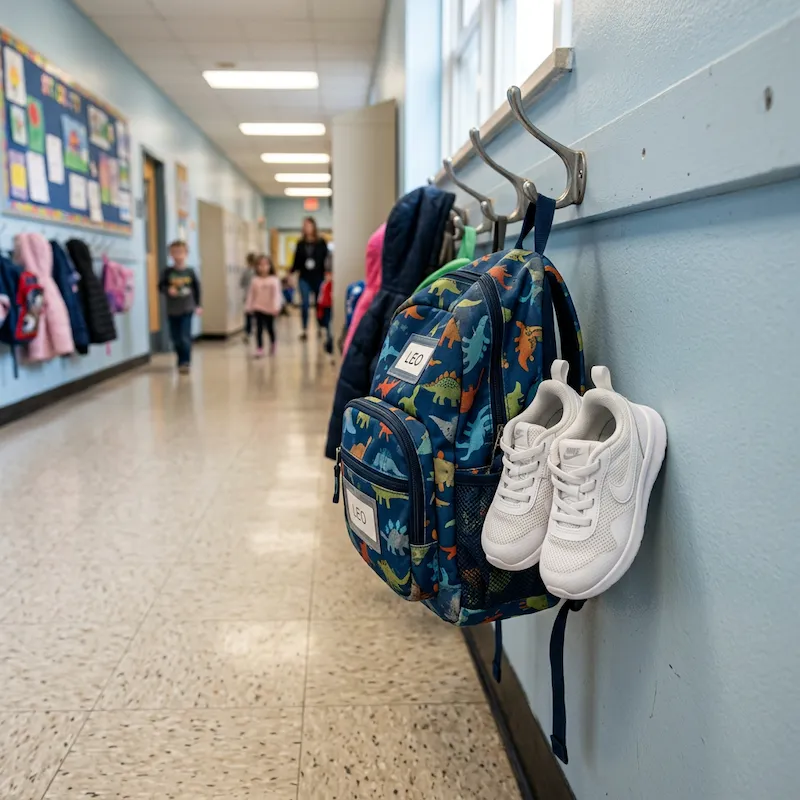
Canadian schools enforce a strict indoor/outdoor shoe policy. Your child needs a clean pair of running shoes that stay at school and are changed into each morning at the door.
During winter months, outdoor boots track in slush, salt, and water, and children are not permitted to wear them inside the classroom. Budget for a second pair of shoes before the first day of school.
6. Most Schools Are Nut-Free and Many Expect All Packaging to Come Back Home
Almost every elementary school in Canada enforces a strict nut-free policy to protect students with severe allergies.
Many schools also run “waste-free” or “boomerang” lunch programs, where children are expected to bring all food wrappers and packaging back home rather than throwing them away at school.
Read your school’s student handbook before the first day so you know exactly what belongs and what does not belong in the lunchbox.

7. Free Settlement Workers Are Placed Inside Schools and Most Families Never Ask for Them
Before you do anything else on the day you register your child, ask the school office whether a Settlement Worker in Schools (SWIS) is available. These trained workers are placed inside schools and school boards across Ontario and other provinces through a federal program.
They help newcomer families with language translation, paperwork, community connections, and understanding the Canadian school system at no cost to your family.
It is one of the most valuable and underused resources available to families building a new life in Canada.

8. PA Days Are Not Holidays and They Happen More Often Than You Think
Several times throughout the school year, your child’s school will be closed for a Professional Activity Day (commonly called a PA Day): a day set aside for teacher training and staff planning.
These are not public holidays and do not follow a predictable national schedule; each school board sets its own PA Day calendar independently. If both parents are working, PA Days require childcare arrangements that a regular school day would not.
Download your school board’s full-year calendar the moment registration is complete, and mark every PA Day in your diary before the school year begins.

9. School Bus Eligibility Has a Distance Threshold and Many Families Do Not Qualify
Across Canada, school bus transportation is only provided to students who live beyond a minimum distance from their school. Thresholds vary by province and school board, but typically fall somewhere between one and two kilometres for younger students, with longer distances required for older grades.
Families within that threshold are expected to walk their children to school or make their own arrangements, regardless of weather conditions.
If you do not yet own a car and are choosing where to live, check your school board’s transportation policy before you sign a lease. Being one street inside the eligibility boundary makes a significant difference on a January morning.

10. French Immersion Is an Option But Registration Fills Up Earlier Than You Expect
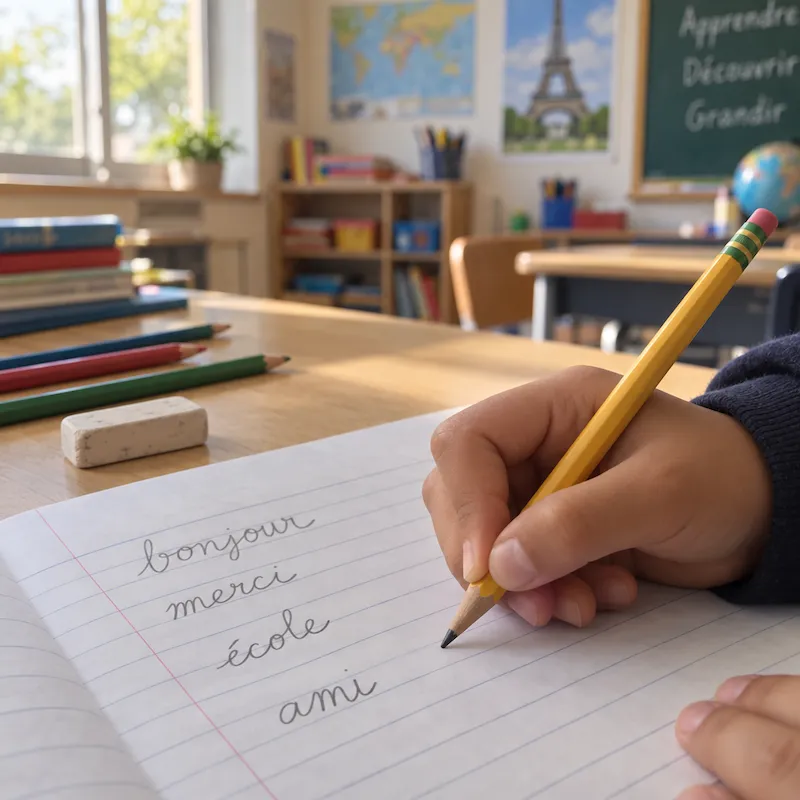
Most public school boards across Canada offer a French Immersion program, where core subjects are taught in French from as early as Junior Kindergarten.
This is a popular choice among newcomer families who want their children to grow up bilingual in Canada’s two official languages and it is available whether you have settled in Ontario, British Columbia, Alberta, or most other provinces.
The catch: French Immersion registration is entirely separate from standard school registration, opens earlier in the calendar year, and spaces fill up quickly.
If this is something your family wants to explore, contact your school board well before the general registration window opens; waiting until the standard intake period begins is often too late.
School registration may feel like one item on a long list of things to figure out when you arrive in Canada but getting it right from the start sets the tone for your child’s entire first year.
The families who navigate it most smoothly are not the ones who had insider knowledge. They are the ones who called ahead, asked questions, and did not assume that what worked back home would work the same way here.
You do not have to figure this out alone. If this article helped your family, share it with another newcomer parent who is about to go through school registration, it could spare them a lot of confusion and a few avoidable mistakes.
